
Signs It’s Time To Repair Or Replace Your Pool Pump
- Pool Stop Online
- Nov 19, 2025
- 4 min read
Post Summary:
Ensure your pool stays crystal clear! Learn the four signs your pool pump needs repair or replacement from Pool Stop Online.
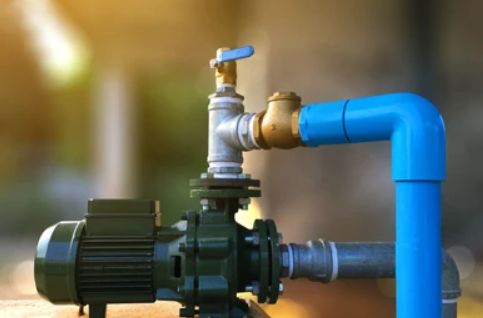
A healthy pool relies on a strong, well-functioning pump. It keeps water circulating, protects your water quality, and prevents water in your pool from becoming cloudy or unsafe. When the pump begins to fail, pool owners may notice changes in water clarity, unusual noises, or a sudden increase in energy bills. Understanding the signs of pool pump failure helps you take action before the problem becomes expensive or damages other pool equipment.
Knowing when to repair a pump and when to replace pool pump equipment is an important part of pool care. Whether you have an above-ground pool or an in-ground pool, the pump plays a major role in keeping your pool clean and healthy. If the pump experiences too much wear and tear, it will begin to work harder. This usually leads to pool pump motor issues that require immediate attention.
How Long Do Pool Pumps Last?
Pool owners often ask how long do pool pumps last. The average pump lasts eight to twelve years. The exact lifespan depends on usage, maintenance, and the type of pump installed.
Single-speed pumps usually wear out faster because they run at one consistent speed all day. Variable speed pumps or variable speed pool pumps adjust their speed as needed. This reduces stress on the system and often makes them last longer.
Noisy Pool Pump Problems
A noisy pool pump is one of the clearest signs of pool pump failure. A pump should run smoothly without screeching, grinding, or rattling. Loud noises often point to pool pump motor issues, such as damaged bearings or debris stuck inside the pump basket.
Older single-speed pumps are naturally louder, but sudden new noises should not be ignored. Start by checking the pump basket and skimmer basket for debris. If the noise continues, the motor may be wearing down.
Professional pool maintenance can help diagnose the issue and determine if a repair will work or if you need a full pool pump replacement. Many pool owners move to variable speed pumps for quieter performance and better energy efficiency.
Pool Pump Losing Suction
Another major warning sign is a pool pump losing suction. When the pump cannot pull enough water through the system, water quality begins to drop quickly.
You may notice cloudy water, floating debris, or a skimmer basket that is not pulling evenly. A clogged pump basket or a full skimmer basket can cause this.
Air leaks on the suction side can also reduce suction. If clearing debris does not fix the issue, the pump may have internal wear and tear. In these situations, it is often necessary to replace pool pump components to restore proper performance.
Pool Pump Overheating
A pool pump overheating should never be ignored. If the pump becomes very hot or shuts off repeatedly, the motor may be stressed or failing.
Overheating often happens when the pump has to work harder than normal. This can occur because of blockages, electrical problems, or internal friction.
Repeated overheating increases the chance of total motor failure. Pool owners should contact a professional pool maintenance company to inspect the pump and decide whether repair or replacement is the best option.
If the pump is older or has multiple issues, a full pool pump replacement is usually the smarter long-term solution.
Energy Efficiency and Pump Upgrades
Older pumps use a lot of electricity, especially single-speed pumps that run at full power all day. Upgrading to a speed pool pump or a modern variable speed pump can significantly improve energy efficiency.
Variable speed pool pumps adjust their speed depending on what the system needs at that time. They use lower speeds during normal filtration and higher speeds only when required.
This reduces wear and tear on the pool pump motor. It also helps lower monthly energy bills and keeps water circulating more effectively.
If you are dealing with repeated pump problems, upgrading to more efficient equipment can help keep your pool clean and protect your pool systems.
Repair or Replace Your Pump?
Pool pump repair services can fix many basic problems. Small leaks, clogged baskets, and minor electrical issues can often be repaired. These repairs are useful when the pump is still fairly new and the damage is limited.
However, if the pump has several problems at once, such as noise, overheating, low suction, and motor issues, it may be more cost-effective to replace pool pump parts or the entire pump.
Professional pool maintenance teams can inspect your pump, check the internal components, and help you decide whether a repair will work or if a replacement will save you more money in the long run.
Keep Your Pool Sparkling
Every pool owner wants clean water in your pool and a system that runs smoothly. When your pump is failing, the rest of your pool equipment struggles to maintain water quality. That is why recognizing the signs of pool pump failure is so important.
If you notice a noisy pool pump, a pump losing suction, or a pump overheating, take action quickly. Early diagnosis can prevent major damage and help avoid unnecessary repair costs.
With the right pool maintenance and timely replacement decisions, your pool will stay clear, safe, and enjoyable for many years.


Comments